
Temperature and Humidity Control Requirements in GMP Cleanrooms
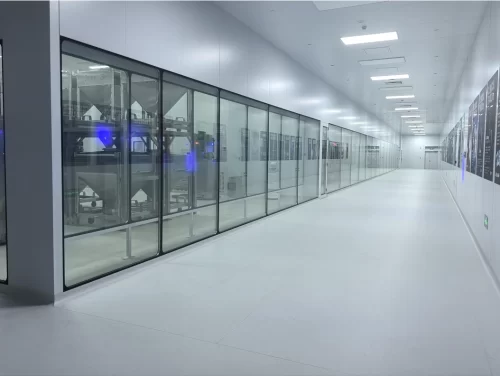
In Good Manufacturing Practice (GMP) compliant facilities, maintaining strict control over temperature and relative humidity (RH) is just as vital as airborne particle filtration. While high-efficiency filters (HEPA/ULPA) tackle particulate and microbial contamination, precise environmental conditioning preserves product stability, prevents microbial proliferation, protects sensitive active pharmaceutical ingredients (APIs), and ensures operator comfort and compliance.
Whether operating under EU GMP Annex 1, US FDA cGMP, or WHO guidelines, failing to control thermal and hygrometric parameters can lead to compromised drug efficacy, ESD (electrostatic discharge) hazards, or catastrophic mold outbreaks. This technical guide outlines international GMP standards, HVAC engineering controls, and architectural best practices for temperature and humidity management.
1. Standard GMP Target Ranges for Temperature and Humidity
While exact setpoints depend on the specific pharmaceutical process (e.g., dry powder filling vs. aqueous sterile liquid processing), standard GMP guidelines generally mandate the following target operating bands:
| Parameter | Standard Target Range | Critical Process Range (Specialized) | Primary Objective |
|---|---|---|---|
| Temperature (°C) | 20°C to 24°C (± 1°C to ± 2°C) | 15°C to 18°C (Cold Processing) | Operator comfort (minimizing sweating) & product stability. |
| Relative Humidity (RH %) | 45% to 55% RH (± 5% RH) | < 30% RH (Hygroscopic Powders) | Suppressing microbial/fungal growth & preventing ESD/clumping. |
2. Why Humidity Control is Critical in Aseptic Manufacturing
Managing relative humidity inside Grade A–D cleanrooms requires balancing two opposing physical risks:
A. High Relative Humidity (> 60% RH) Risks
- Fungal and Mold Spores: Relative humidity exceeding 60% creates an ideal breeding ground for fungal spores (such as Aspergillus and Penicillium) on wall surfaces, ceiling joints, and inside air ducts.
- Powder Clumping & Clogging: Hygroscopic active ingredients absorb moisture from the air, causing clumping, inconsistent dosages, and equipment clogging during tableting or encapsulation.
- Corrosion: Elevated moisture accelerates oxidation on non-stainless steel equipment and structural supports.
B. Low Relative Humidity (< 30% RH) Risks
- Electrostatic Discharge (ESD): Extremely dry air fosters static electricity buildup, which can damage micro-electronic sensors, disrupt precision weighing, and create explosion hazards in powder-handling zones.
- Operator Discomfort & Skin Flaking: Dry air causes skin irritation and shedding among operators, significantly increasing human-borne particulate loading in the cleanroom.
3. Engineering Controls: HVAC & Dehumidification Systems
Achieving tight $\pm 2\%\text{ RH}$ and $\pm 1^\circ\text{C}$ tolerances requires specialized **Air Handling Unit (AHU)** design features:
- Chilled Water Cooling & Reheating Coils: Cool the incoming air below its dew point to condense out moisture, followed by precise reheating coils to adjust the final supply air temperature.
- Desiccant Rotor Dehumidifiers: For ultra-low humidity applications (< 30% RH), silica-gel desiccant wheels adsorb moisture continuously from the airstream.
- Variable Air Volume (VAV) & Frequency Drives: Automatically adjust fan speeds to balance pressure cascades and thermal loads as occupancy changes.
4. Structural & Insulation Integrity: Sandwich Panels and Doors
HVAC systems cannot maintain tight environmental controls if the cleanroom envelope suffers from thermal bridging or air leakage. Architectural containment is the first line of defense:
- High-Density PIR / Rockwool Sandwich Panels: Wall and ceiling panels with low thermal conductivity ($k$-value) prevent condensation on cleanroom surfaces caused by temperature differentials with ambient unconditioned space.
- Hermetically Sealed Flush Doors: Heavy-duty gasket seals around flush doors prevent warm, moist unconditioned air from infiltrating clean corridors.
- Air Tightly Sealed Pass Boxes: Interlocked pass boxes prevent humidity spikes during material transfers between adjacent rooms.
Build Your GMP Cleanroom With Farclean Engineering Solutions
Achieving precise temperature and humidity control demands a seamless combination of thermal-efficient architectural panels and robust HVAC air purification hardware.
At Farclean, we deliver fully integrated modular cleanroom systems engineered for international GMP compliance:
- Thermal Insulation Cleanroom Panels: Fire-rated PIR, Rockwool, and Aluminum Honeycomb sandwich panels with zero thermal bridging.
- Airtight Flush Cleanroom Doors & Windows: Double-glazed, rubber-sealed doors engineered for precise pressure and humidity retention.
- Custom FFUs & Dynamic Air Systems: Compatible with central AHUs for uniform airflow and thermal distribution.
Get a Customized GMP Cleanroom Solution & Quote From Farclean