
Cleanroom Microbial Contamination Control: Best Practices for 2026
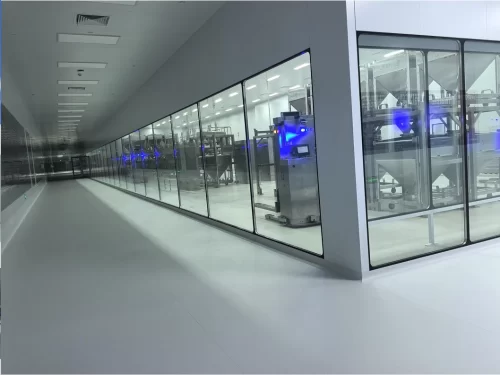
As pharmaceutical, biotechnology, and medical device manufacturing standards continue to tighten globally—driven heavily by updated regulatory expectations such as **EU GMP Annex 1** and rigorous ISO standards—microbial contamination control has evolved from a routine cleaning chore into a sophisticated, science-driven Contamination Control Strategy (CCS).
In 2026, facility managers, QA/QC directors, and cleanroom engineers face increasing pressure to eliminate viable particles (bacteria, fungi, spores, and endotoxins) before they compromise sterile products or patient safety. This comprehensive guide outlines the top microbial control challenges and actionable best practices to safeguard your ISO Class 5–8 cleanroom environments this year.
1. Shift from Reactive Cleaning to a Holistic Contamination Control Strategy (CCS)
Modern regulatory audits no longer accept isolated cleaning logs. In 2026, compliance demands a living, risk-based Contamination Control Strategy (CCS) across the entire lifecycle of the facility.
- End-to-End Risk Assessment: Map out every potential vector of microbial introduction, from raw material receiving to final aseptic packaging.
- Quality Risk Management (QRM) Integration: Use data-driven insights from environmental monitoring to continuously update cleaning frequencies and disinfectant rotations.
- Cross-Departmental Collaboration: Align HVAC engineering, production operators, and QC microbiology teams so that contamination control is embedded in daily standard operating procedures (SOPs).
2. Controlling the Primary Vectors of Microbial Contamination
Understanding where microbes originate is the first step toward effective mitigation. In a controlled cleanroom environment, contamination typically enters through four primary vectors:
| Contamination Vector | Primary Source / Risk | 2026 Mitigation Best Practice |
|---|---|---|
| Personnel (Human Factor) | Skin shedding, respiratory droplets, improper gowning behavior. | Automated air showers, strict ISO 5-8 garment protocols, and video-monitored gowning training. |
| Materials & Equipment Transfer | Brought-in packaging, tools, and components carrying surface spores. | Dynamic pass boxes with UV sterilization, VHP (Vaporized Hydrogen Peroxide) ports, and wipe-down airlocks. |
| HVAC & Air Distribution | Dead air zones, humidity spikes favoring mold growth, filter bypass. | Optimized laminar airflow design, HEPA H14 terminal filtration, and continuous RH/temperature monitoring. |
| Water & Utility Systems | Biofilms in Purified Water (PW) or Water for Injection (WFI) loops. | Regular thermal/chemical sanitization cycles, automated TOC monitoring, and point-of-use sterilizing filters. |
3. Advanced Hardware Solutions: Engineering Out Human Error
Relying solely on manual disinfection leaves too much room for human error. State-of-the-art cleanrooms in 2026 leverage automated equipment and physical containment engineering to enforce microbial security:
A. Interlocked Dynamic Pass Boxes & Transfer Hatches
Transferring components between lower-grade rooms and Grade A/B cores is a critical vulnerability. Utilizing dynamic pass boxes equipped with HEPA filtration, UV-C germicidal lamps, and electromagnetic double-door interlocking ensures that contaminated air cannot backflow during material exchange.
B. High-Velocity Air Showers at Personnel Entryways
Before operators step into critical core areas, automated Air Showers utilizing high-velocity HEPA-filtered air nozzles ($>25\text{ m/s}$) shear off loose skin flakes and surface particulate matter within a 15-to-30-second cycle, backed by intelligent voice prompts and interlocked doors.
C. Laminar Flow Sampling & Dispensing Booths
For weighing or dispensing active pharmaceutical ingredients (APIs) where microbial or cross-contamination is fatal, downflow Sampling Booths maintain localized ISO Class 5 negative or positive pressure containment, protecting both the operator and the product.
4. Disinfectant Rotation and Sporicidal Efficacy Protocols
A common pitfall in cleanroom maintenance is relying on a single sanitizer, which leads to microbial resistance (tolerant strains). Best practices for 2026 dictate a robust rotation schedule:
- Broad-Spectrum Disinfectants: Use quaternary ammonium compounds (quats) or substituted phenolics for daily general surface wiping to control vegetative bacteria and fungi.
- Periodic Sporicidal Agents: Integrate a chlorine-based or peracetic acid / hydrogen peroxide-based sporicidal agent (at least weekly or monthly depending on classification) to eradicate resilient bacterial and fungal spores.
- WFI / Alcohol Rinsing: Follow disinfection with sterile 70% IPA (Isopropyl Alcohol) or Water for Injection wipes to eliminate chemical residues that could otherwise act as nutrient sources for microorganisms.
5. Continuous Monitoring and Rapid Bio-Burden Detection
Traditional culture-based petri dish methods (settle plates and contact plates) take 48 to 72 hours to yield results—meaning by the time contamination is identified, compromised batches may have already been processed. 2026 cleanrooms are shifting toward:
- Real-Time Optical Particle Counters & Microbial Sensors: Continuous airborne particle tracking tied directly to HVAC alarm triggers.
- Rapid Microbiological Methods (RMM): Utilizing ATP bioluminescence or autofluorescence laser detectors for instant surface cleanliness verification.
Partner With an Expert Cleanroom EPC & Equipment Provider
Achieving absolute microbial compliance under 2026 regulatory frameworks requires more than standard equipment—it demands an integrated, engineered approach from structural panel layout to advanced terminal air purification.
At Farclean, we specialize in delivering turnkey cleanroom solutions and high-grade purification hardware tailored to your precise ISO and GMP requirements:
- Turnkey modular cleanroom engineering and construction (sandwich panels, flush cleanroom doors, and flooring).
- Custom-built air showers, dynamic pass boxes, and weighing booths.
- High-efficiency Fan Filter Units (FFUs) integrated with H14 HEPA and U15 ULPA filters.
Consult With Farclean Engineers for Your Contamination Control Strategy