
Budgeting for Cleanroom HVAC: Initial Investment vs Long-Term Energy Efficiency
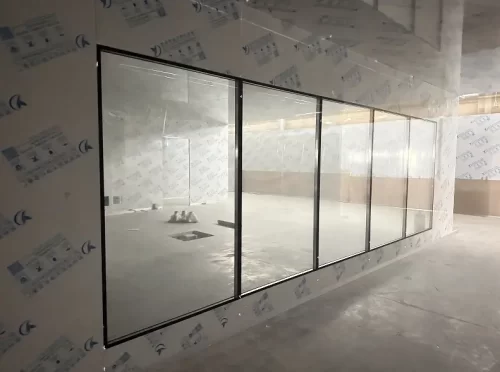
Effectively budgeting for cleanroom HVAC systems requires balancing initial installation costs with long-term operational efficiency. As a leading provider of cleanroom door systems and modular wall panels, Farclean understands the financial considerations behind creating and maintaining optimal cleanroom environments. This guide explores the intricate relationship between initial investment and ongoing energy consumption.
Understanding Cleanroom HVAC Requirements
Cleanroom HVAC systems must maintain precise environmental controls critical for compliance with international standards like ISO 14644-1 (ISO Class 3-8), ISO 14644-4, FDA cGMP (21 CFR Part 211), and EU GMP Annex 1. These specialized systems require greater investment due to their unique features:
- High-efficiency filtration systems (HEPA/ULPA filters)
- Precise temperature and humidity control
- Positive or negative air pressure differentials
- Contaminant-free air supply and exhaust
The Economic Dilemma: Investment vs. Efficiency
While high-grade cleanroom HVAC systems represent significant upfront costs, they can dramatically reduce long-term operational expenses:
Understanding Installation Costs
Factors contributing to initial investment include:
- System complexity and CFM capacity
- Required filtration system efficiency levels
- Integration with existing building infrastructure
- Customization for specific cleanliness requirements
- Advanced control systems for energy optimization
Factors Influencing Budgeting Decisions
Several key factors affect the cost/benefit analysis:
1. Cleanroom Classification Requirements
Different ISO classes demand varying levels of air purity:
- High-efficiency systems (ISO Class 1-4) command premium costs
- Standard systems (ISO Class 5-7) offer more budget-friendly options
2. Building Size and Configuration
Cleanroom square footage, layout complexity, and number of airlocks all impact HVAC requirements:
- Large-scale pharmaceutical manufacturing requires robust systems
- Small laboratory setups may have more flexible budget options
3. Energy Efficiency Specifications
Modern systems incorporate advanced features like:
- Variable frequency drives for optimized fan operation
- Cooling towers with water efficiency measures
- Heat recovery systems
- Smart controls for occupancy-based operation
The Role of Cleanroom Components
Though primarily an HVAC discussion, the quality of adjacent components significantly affects overall efficiency:
Farclean’s Cleanroom Door Systems
High-performance cleanroom doors contribute to energy efficiency by:
- Maintaining proper room pressure differential
- Reducing air leakage when opened/closed
- Automating systems to minimize energy usage during unoccupied periods
- Complying with GMP requirements when integrated with HVAC
Modular Wall Panel Integration
Our integrated wall panel systems work in harmony with HVAC:
- Creating a seamless building envelope
- Optimizing air flow patterns
- Facilitating efficient air containment
Long-Term Financial Considerations
1. Energy Savings Potential
While premium systems cost more initially, strategic investments yield significant returns through:
- Lower utility bills (typical ROI periods range from 3-8 years)
- Reduced maintenance requirements for more efficient components
- Extended equipment lifespan
2. Operational Cost Reduction
Advanced systems significantly reduce ongoing expenses including:
- Decreased filter change frequency
- Lower compressed air requirements for door operations
- Optimized space conditioning requirements
Different Budgeting Strategies Explained
Organizations typically approach cleanroom HVAC investments differently:
1. Short-Term Budget Approach
Focuses on reducing immediate costs by:
- Selecting standard filtration options
- Implementing minimal pressure differential requirements
- Utilizing basic automation systems
2. Long-Term ROI Approach
Emphasizes sustainable investments with:
- Variable speed drives for HVAC components
- Enhanced filtration with longer service life
- Building automation integration
The Value Proposition of Energy-Efficient Cleanroom HVAC
While cleanroom HVAC represents significant investment, energy efficiency delivers:
- Compliance with increasingly stringent environmental regulations
- Improved process consistency and product quality
- Extended comfort for personnel in controlled environments
- Reduced operational risks through stable environmental conditions
Selecting a Partner for Your Cleanroom Projects
When choosing an HVAC provider for your cleanroom, consider:
- Comprehensive engineering support
- Compatibility with adjacent systems (lighting, cleanroom doors)
- Energy modeling expertise
- Supply chain integration with modular wall systems
Farclean’s Approach to Smart Budgeting
As authority in cleanroom environmental control systems, Farclean integrates HVAC efficiency consciousness with high-performance components:
We offer:
- Energy-efficient solutions optimized for pharmaceutical applications
- Customized cleanroom door and wall system integration
- Full-service project support from initial planning through operation
- Detailed analysis of your specific budgeting needs
Transform your budget planning with expert insight on cleanroom HVAC investments. Contact Farclean to discuss your cleanroom project and discover how strategic budgeting can create sustainable, efficient environmental control.